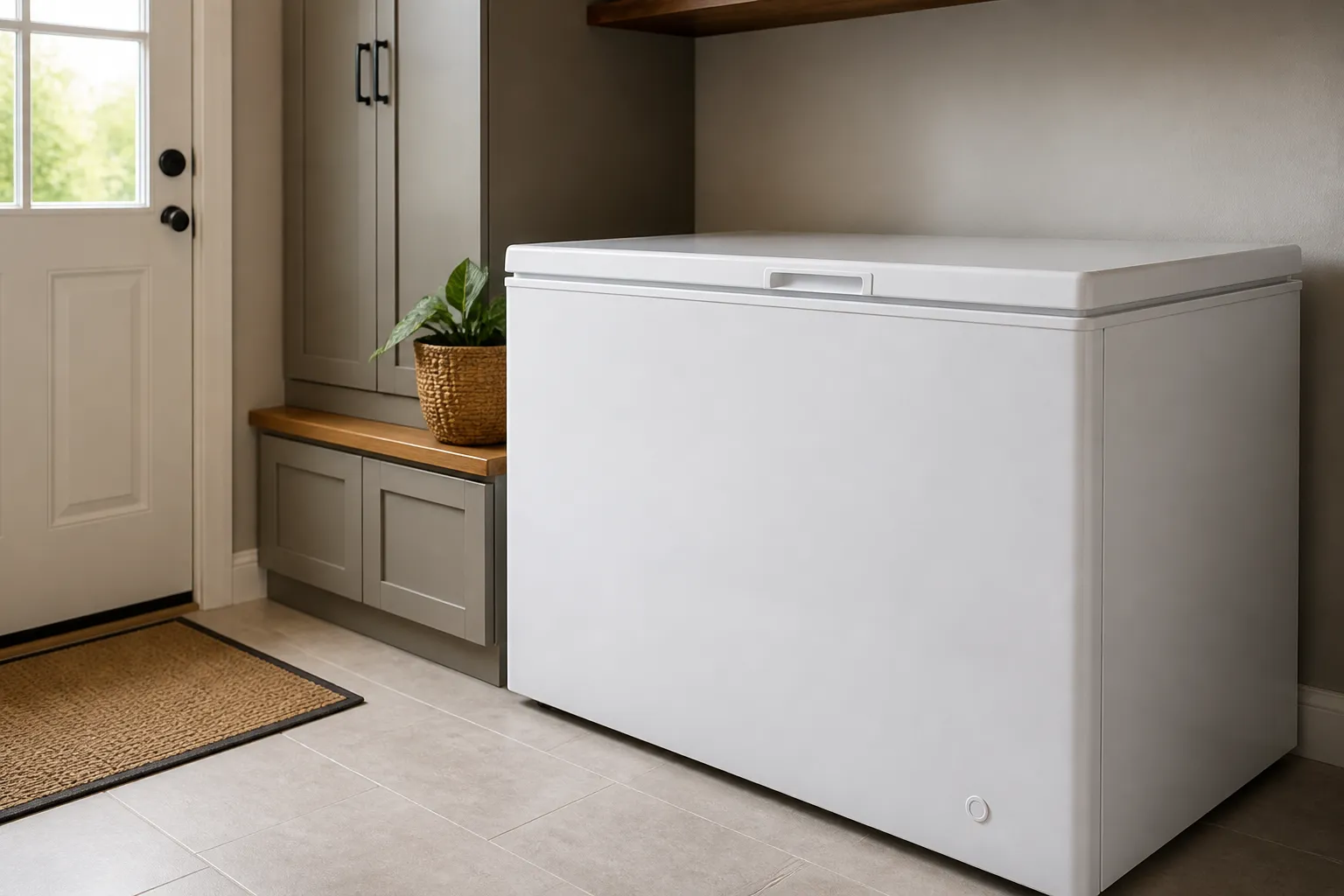
Your freezer should keep food solid, cold, and ready when you need it. When ice cream turns soft, packages start frosting over, or the cabinet feels warmer than it should, it is time to take the problem seriously. A struggling freezer can waste food fast, and the warning signs usually show up before a full breakdown.
If you are seeing puddles, hearing unusual buzzing, or noticing that one section stays cold while another stays warm, Appliance Repair Specialists, Inc can help. We provide freezer repair for Des Moines, WA and nearby areas, with service focused on careful troubleshooting, practical fixes, and straightforward communication.
Freezers can fail in several different ways, and the symptom you notice often points to the source of the trouble. Some issues are simple, such as a blocked airflow path or a bad door seal. Others involve the compressor, defrost components, or temperature controls. The goal is to narrow down the cause before food spoils or the unit works harder than it should.
Homeowners often call when they notice one or more of these problems:
Appliance Repair Specialists, Inc checks the freezer as a system, not just the symptom. That matters because a freezer can still appear to run while cooling performance drops below what your food needs.
Freezer repair starts with a close look at how the appliance is cooling, sealing, and defrosting. We listen for the sounds it makes, inspect the interior for frost patterns, and review the parts that affect temperature control. If the freezer is part of a refrigerator unit, we also look at how the freezer section interacts with the rest of the appliance.
We look for signs that the freezer is not moving cold air the way it should. That may involve inspecting the evaporator area, airflow passages, and temperature response. When a freezer has uneven temperatures, the cause is often hidden behind normal-looking shelves and food storage.
Excess frost can block air circulation and make the freezer work harder than necessary. We check defrost-related components when icing becomes a pattern rather than an isolated annoyance. If frost keeps coming back, the fix needs to address the reason it is forming.
Loose gaskets or a door that does not close evenly can let warm air seep inside. That can lead to frost, condensation, and higher strain on the appliance. Small door issues can create large cooling problems over time, so they are worth checking early.
Some freezer issues can wait a short time. Others deserve quick attention because the problem affects food quality, energy use, and the condition of the appliance itself. If you catch the issue early, the repair process is often simpler and less disruptive.
This often means the freezer is not holding the low temperature it should. If several items are affected, the issue is probably not just one overloaded shelf.
Repeated frost buildup can point to airflow or defrost trouble. Once the frost spreads, the freezer may cool unevenly and sound different than usual.
Water may appear when ice melts where it should not, or when a drain path becomes restricted. Either way, it is a sign to have the unit checked.
If the freezer seems to run almost nonstop, it may be struggling to reach set temperature. That can wear on components and still leave food at risk.
When these signs show up together, the repair should be handled before the freezer loses more contents or the issue spreads to other parts of the appliance.
Every freezer problem starts with listening to the customer and looking at the symptoms firsthand. Once we understand what you have noticed, we inspect the appliance and test the likely problem areas. The aim is to find the real source rather than guessing at the first part that looks suspicious.
We ask about temperature changes, frost buildup, noises, and leaks. Those details help guide the inspection and save time.
We examine the controls, cooling path, seals, and defrost-related parts that can affect performance.
We narrow the issue to the part or condition that is keeping the freezer from reaching the right temperature.
We explain the issue clearly so you know what needs attention and why it matters to the freezer's performance.
That process keeps the repair focused and avoids unnecessary work. If the freezer is repairable, we move toward restoring the cooling function as efficiently as possible.
A freezer problem is not just a convenience issue. Once temperatures rise, food quality can decline quickly. Meats, leftovers, frozen meals, and stored ingredients may no longer stay at the quality you expect. Even if the freezer still sounds like it is running, it may not be keeping enough cold air where it belongs.
If you are unsure whether food is still safe, treat the temperature change as a warning rather than a small nuisance. A warm freezer can also lead to moisture inside the cabinet, which may cause frost and make the appliance work even harder. Taking action early helps protect both your food and the unit.
For homes in Des Moines, WA, quick attention is especially useful when the freezer is part of your main refrigerator. A single cooling issue can affect your daily routine, grocery planning, and storage space all at once.
You can help your freezer stay on track by watching a few simple details. These do not replace repair when a part has failed, but they can help prevent unnecessary strain and make it easier to spot trouble early.
These habits help you notice changes sooner. When a freezer begins to slip, early action often keeps the repair simpler than waiting for a full loss of cooling.
We provide freezer repair for Des Moines, WA and surrounding areas served by Appliance Repair Specialists, Inc. If you are dealing with a freezer that is warming up, overfreezing, or leaking, we can help you get it looked at without having to guess at the cause.
We also serve nearby communities across the region, including Tacoma, Puyallup, Olympia, Lakewood, and Tukwila. If your freezer is showing trouble and you need clear answers, we are ready to help with the kind of service homeowners can plan around.
Appliance Repair Specialists, Inc has focused on appliance repair and installation work for years, and freezer problems are the kind of issue that benefit from direct troubleshooting. When your appliance stops holding cold, the sooner it gets attention, the better your chances of saving the food inside and avoiding more damage.
A freezer can still sound normal while airflow, defrosting, or temperature control is not doing its job. That is why a full inspection matters, even when the unit seems to be running.
Frost often forms when warm air enters the cabinet or when the defrost system is not clearing ice as it should. Door seals, alignment, and airflow problems can all play a role.
Water often appears when ice melts where it should not or when drainage is restricted. A leak near the freezer should be checked before it causes further mess or damage.
Yes, uneven cooling can often be traced to blocked airflow, failed defrost parts, or another repairable condition. The exact fix depends on what is disrupting the temperature balance.
If the freezer is no longer keeping food cold, it is a good idea to protect the contents and arrange service quickly. Unplugging may stop further strain, but it will not solve the underlying issue.
Not always, but new noises are worth paying attention to. Clicking, buzzing, or rattling can point to a part that is struggling or to a component that needs adjustment or repair.

Request Service
Tell us which appliance is acting up and what it is doing. We will help you get the right repair or installation service for your home.