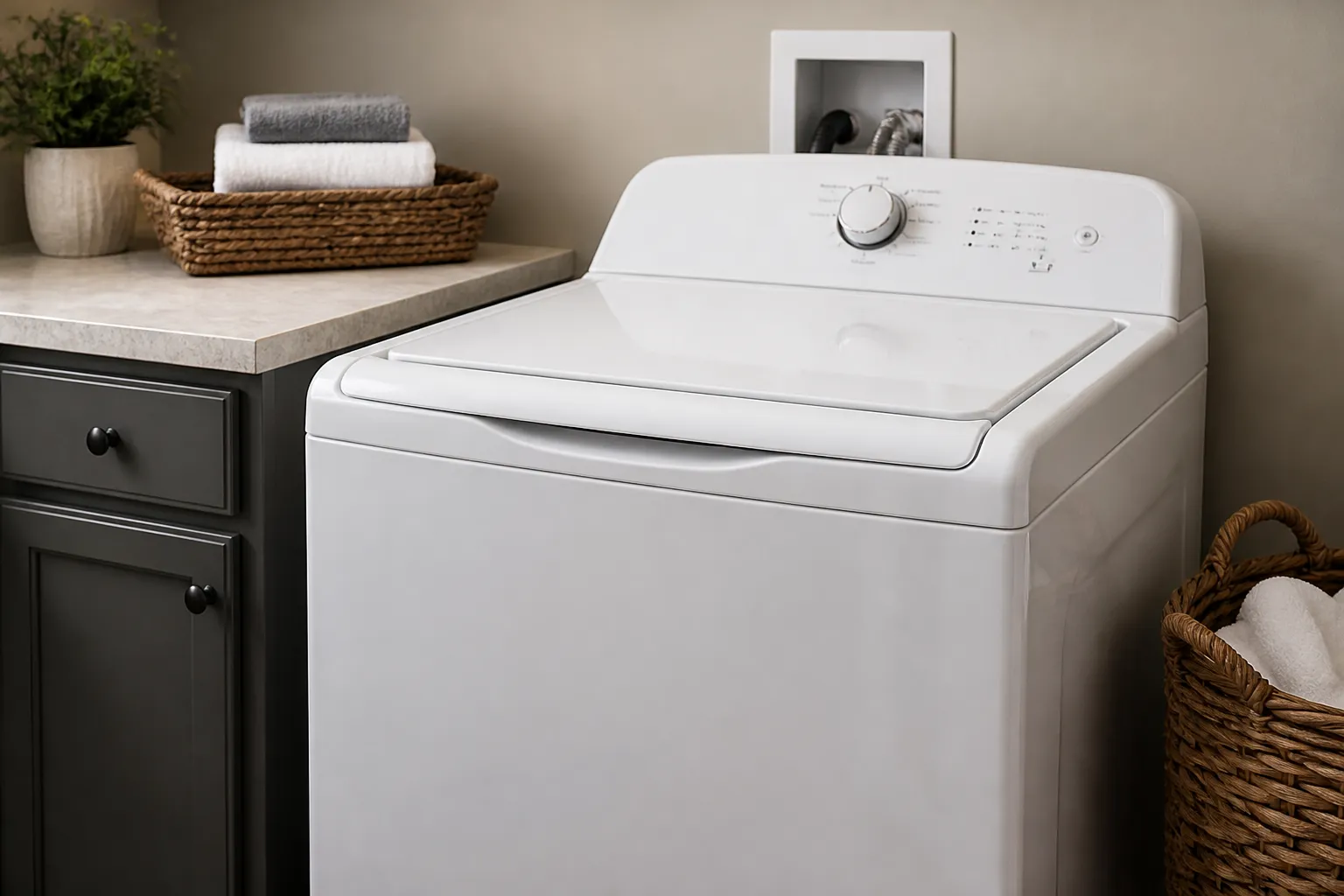
Your washer is making noise, leaving clothes damp, or stopping mid-cycle when you need laundry finished. That kind of interruption usually gets worse fast, especially when a small issue starts turning every load into a guess.
Appliance Repair Specialists, Inc. helps homeowners across Des Moines, WA with washer repair that focuses on careful diagnosis and practical fixes. If your machine will not drain, spin, fill, or start at all, we can track down the source and get your laundry routine moving again.
Some washer problems are easy to notice, while others show up as small changes that keep getting harder to ignore. A machine may still run, but the results tell a different story.
These symptoms can point to drain trouble, worn drive parts, switch failures, control concerns, or a problem with the washer’s water system. A close inspection helps narrow it down instead of guessing at random parts.
Different washer brands and models can show similar symptoms for very different reasons. That is why a focused diagnostic approach matters before any repair begins.
When a washer will not drain, the load stays heavy and the spin cycle cannot do its job. The cause may be a blocked drain path, a failing pump, or an internal part that keeps the machine from advancing to the next step.
If clothes sit in still water or come out poorly cleaned, the washer may not be agitating the way it should. Drive components, internal couplings, or related mechanical parts can all affect wash action.
A washer that underfills, overfills, or refuses to start can have trouble with valves, switches, sensors, or the control sequence. These problems are often frustrating because the washer may seem fine one day and uncooperative the next.
When we visit a home, we start by listening to what the washer is doing and when the problem appears. A symptom during fill is different from a symptom during spin, and those details help point us in the right direction.
That process helps avoid unnecessary work and gives you a clearer picture of what your washer actually needs.
Washer repair is not one-size-fits-all. Some machines need a single failed part replaced, while others need a combination of adjustments and part repairs to get back on track.
Appliance Repair Specialists, Inc. works on washers as part of broader appliance repair service for Des Moines, WA and nearby communities. We focus on the cause of the symptom, not just the symptom itself.
If your washer starts acting up, a few simple observations can make the repair visit more effective. You do not need to take the machine apart or guess at parts.
If the washer is leaking, leaving standing water, or making a new mechanical noise, it is a good time to schedule a repair visit before the problem spreads to other parts of the appliance.
Washer repair for Des Moines, WA is part of the service area covered by Appliance Repair Specialists, Inc. We also serve nearby communities across the region, including Tacoma, Puyallup, Olympia, Lakewood, and Tukwila, along with other areas of western Washington.
Homeowners contact us for help with laundry machines that will not drain, spin, wash, or complete a cycle. Whether the issue is sudden or has been building over time, local service keeps the repair process straightforward and convenient.
When a washer breaks down, the goal is not just getting it to turn on again. You want the laundry to come out clean, drained, and ready for the next step without constant interruptions.
That is why our washer repair work centers on practical diagnosis and honest repair recommendations. We look for the part or system that matches the symptom, then move toward a solution that makes sense for the machine and the problem you are seeing.
Appliance Repair Specialists, Inc. has served western Washington since 1983, and washer repair remains a core part of what we do for homeowners who need dependable help with household appliances.
A washer can stop mid-cycle because of a control issue, a switch problem, a drain concern, or another fault that interrupts the normal sequence. The exact cause depends on when it stops and what the machine does right before it quits.
Wet clothes after the spin cycle often point to poor drainage, an unbalanced load, or a problem with the washer’s spin action. A repair visit can determine whether the issue is mechanical or tied to the drain system.
A humming washer may be trying to start a function but failing to complete it. That sound can happen with drain trouble, a stuck component, or another internal issue that needs inspection.
Yes. Some shaking is caused by load balance, but repeated banging or strong vibration can also point to worn parts or a mechanical problem inside the machine.
Slow filling can come from a water supply issue, a valve concern, or a part that is not allowing the washer to move through its cycle as expected. It is worth checking before the machine starts failing more often.
Yes. Grinding, squealing, clicking, and loud banging are all worth checking because they can signal worn or failing parts. Catching the sound early can help prevent more damage.
If your washer is giving you trouble at home in Des Moines, WA, contact Appliance Repair Specialists, Inc. for straightforward washer repair service. We can help with drain problems, spin issues, noise, cycle interruptions, and other washer symptoms that interfere with laundry day.
Call +13607549252 to arrange service and get your washer looked at by a local appliance repair company that focuses on clear answers and dependable results.

Request Service
Tell us which appliance is acting up and what it is doing. We will help you get the right repair or installation service for your home.